
Spring has arrived. The snow is melting, the flowers are blooming, and foot traffic is picking up.
For business owners, this season represents a fresh start and a prime opportunity to attract new customers. However, winter can be harsh on commercial buildings. Salt, grit, freezing temperatures, and moisture often leave storefronts looking dull and functioning poorly.
Your storefront is the face of your business. It is the first thing people see when they drive by and the last thing they interact with before entering your space. A squeaky door or a smudged window might seem minor, but these details silently shape customer perception.
Now is the perfect time to shake off the winter blues and give your entrance the attention it deserves. A little storefront maintenance goes a long way in ensuring your business looks professional, secure, and inviting.
Here are the top five spring storefront maintenance tips to get your business ready for the busy season ahead.
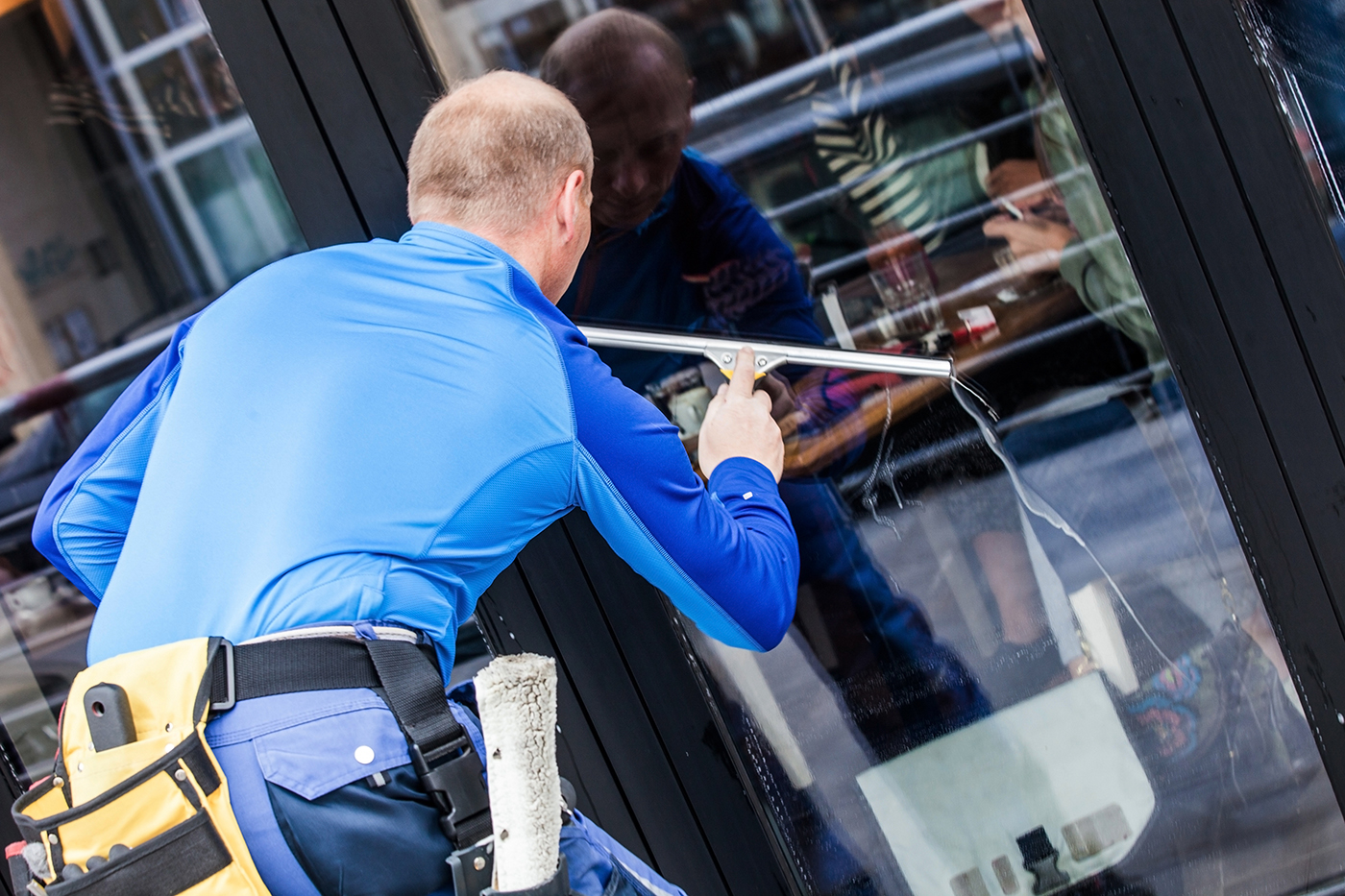
1. Deep Clean Your Glass for Crystal Clear Views
Winter leaves behind a mess. Road salt spray, dirty slush, and general grime accumulate on glass surfaces, creating a hazy barrier between your products and your potential customers.
Standard cleaning often isn’t enough to remove months of buildup. You need a deep clean to restore that sparkling transparency that signals you are open for business. Many people don’t know how to clean storefront windows.
Why It Matters
Dirty windows block natural light, making your interior feel darker and smaller. More importantly, they look neglected. Window cleaning for businesses is a big deal. Clean glass suggests a well-run operation that pays attention to detail.
Pro Tips for Cleaning
- Use the Right Cleaner: Avoid harsh chemicals that can damage the glass or surrounding seals. A professional-grade, non-abrasive cleaner is best.
- Don’t Forget the Frames: Aluminum frames often collect just as much dirt as the glass. Wipe them down with a soft cloth to prevent corrosion and pitting.
- Watch the Sunshine: Try to clean your windows on a cloudy day. Direct sunlight can dry the cleaning solution too quickly, leaving behind stubborn streaks that are hard to remove.
2. Inspect and Clean Door Tracks
If your customers have to wrestle with your door to get inside, you have a problem. The tracks of sliding and automatic doors are magnets for debris. Over the winter, small stones, salt crystals, and compacted dirt find their way into these crevices.
This buildup creates friction. It makes doors harder to open and causes unnecessary wear and tear on the rollers and mechanical components.
The Hidden Cost of Dirty Tracks
Ignoring this simple maintenance step can lead to expensive repairs down the line. When a door has to fight against debris every time it opens, the motor (in automatic doors) works harder, shortening its lifespan. For manual doors, it ruins the smooth “glide” that customers expect.
How to Fix It
Grab a vacuum with a narrow attachment to suck out loose debris. For stubborn, compacted dirt, use a stiff brush or a specialized track cleaning tool. Once the track is clear, wipe it down with a damp cloth to remove any remaining salt residue.
3. Lubricate Moving Parts
Once your tracks are clean, the next logical step is lubrication. Metal-on-metal friction is the enemy of any mechanical system. Winter moisture can strip away factory grease, leading to squeaks, grinding noises, and stiff operation.
A loud, screeching door is not the welcome sound you want for your customers. It sounds cheap and uninviting.
Choosing the Right Lubricant
Not all lubricants are created equal. Avoid using heavy, oil-based greases in exposed tracks, as they tend to attract and hold onto dust and dirt, creating a gummy mess that is difficult to clean later.
Instead, opt for a silicone-based spray or a dry lubricant specifically designed for commercial door hardware. These products reduce friction without becoming a magnet for grime.
Where to Apply
- Hinges: Check all door hinges for stiffness.
- Rollers: If you have sliding doors, ensure the rollers are moving freely.
- Locks: A sticky lock is a security risk and an annoyance. A quick spray of graphite or dry lube can keep your keys turning smoothly.
4. Replace Worn Weatherstripping
Weatherstripping is your storefront’s first line of defense against the elements. It seals the gaps around your doors and windows, keeping conditioned air in and outdoor air… out.
Unfortunately, rubber and felt weatherstripping can become brittle and crack during freezing winter temperatures. Constant use also wears these seals down physically. If you can see daylight through the cracks around your door, you are literally throwing money out the window.
Energy Efficiency and Comfort
Damaged weatherstripping leads to drafts. This makes your entryway uncomfortable for staff and customers, and it forces your HVAC system to work overtime to maintain a steady temperature. Replacing these inexpensive seals is one of the most cost-effective ways to lower your spring and summer cooling bills.
What to Look For
Inspect the perimeter of your door frame. Look for:
- Cracks or chunks missing from the rubber gaskets.
- Felt strips that are peeling away or worn flat.
- Brush sweeps at the bottom of the door that no longer touch the threshold.
If you spot any of these issues, replace the material immediately.
5. Check Door Alignment and Safety Features
Buildings settle, and extreme temperature fluctuations can cause frames to shift slightly. This can lead to door misalignment. A misaligned door might scrape against the floor, fail to latch properly, or close too quickly.
Safety is paramount here. If a door slams shut on a customer’s heel or fingers because the closer speed is off, you could be facing a liability issue.
The Alignment Check
Stand outside and watch the door close. Does it swing freely? Does it latch securely without needing a push? Does the gap between the door and the frame look even all the way around?
If the door drags or hangs crookedly, the hinges may need adjustment.
ADA Compliance
Spring is also a great time to ensure your entrance remains accessible to everyone.
- Closing Speed: Check that your door closers are adjusted correctly. According to ADA standards (404.2.8.1 Door Closers and Gate Closers), doors should take at least 5 seconds to close from an open position of 90 degrees to 12 degrees.
- Opening Force: Ensure the door isn’t too heavy to open. Internal doors generally require 5 pounds of force or less.
- Thresholds: Make sure the threshold hasn’t become loose or damaged, creating a trip hazard for wheelchairs or strollers.
Bonus: Assess Your Security
While you are performing these maintenance checks, take a moment to evaluate your security. Are your locks robust? Is the glass intact, or are there chips or cracks that could weaken the structure?
Storefronts are often targets for “smash and grab” theft. Ensuring your glass is high-quality and your locking mechanisms are sound is critical for protecting your inventory and assets. If you have older plate glass, consider upgrading to laminated or enhanced security glazing for enhanced protection.
A Small Effort for Big Results
Spring maintenance doesn’t have to be overwhelming. By dedicating a few hours to this spring maintenance checklist: cleaning, clearing tracks, lubricating, sealing, and aligning—you can dramatically improve the function and appearance of your storefront.
Your customers will notice the difference. They will walk through a clean, smooth-opening door into a comfortable environment, starting their experience with your brand on the right foot.
However, sometimes a simple cleaning isn’t enough. If you discover cracked glass, broken hardware, or doors that refuse to align, it might be time for professional help.
Is your storefront ready for spring?
Don’t let a damaged or outdated entrance hold your business back. At Binswanger Glass, we have over a century of experience helping businesses look their best. Whether you need a simple repair, new hardware, or a complete storefront upgrade, our team is ready to help.
Contact Binswanger Glass today to schedule your spring maintenance inspection or to discuss upgrading your commercial entrance.